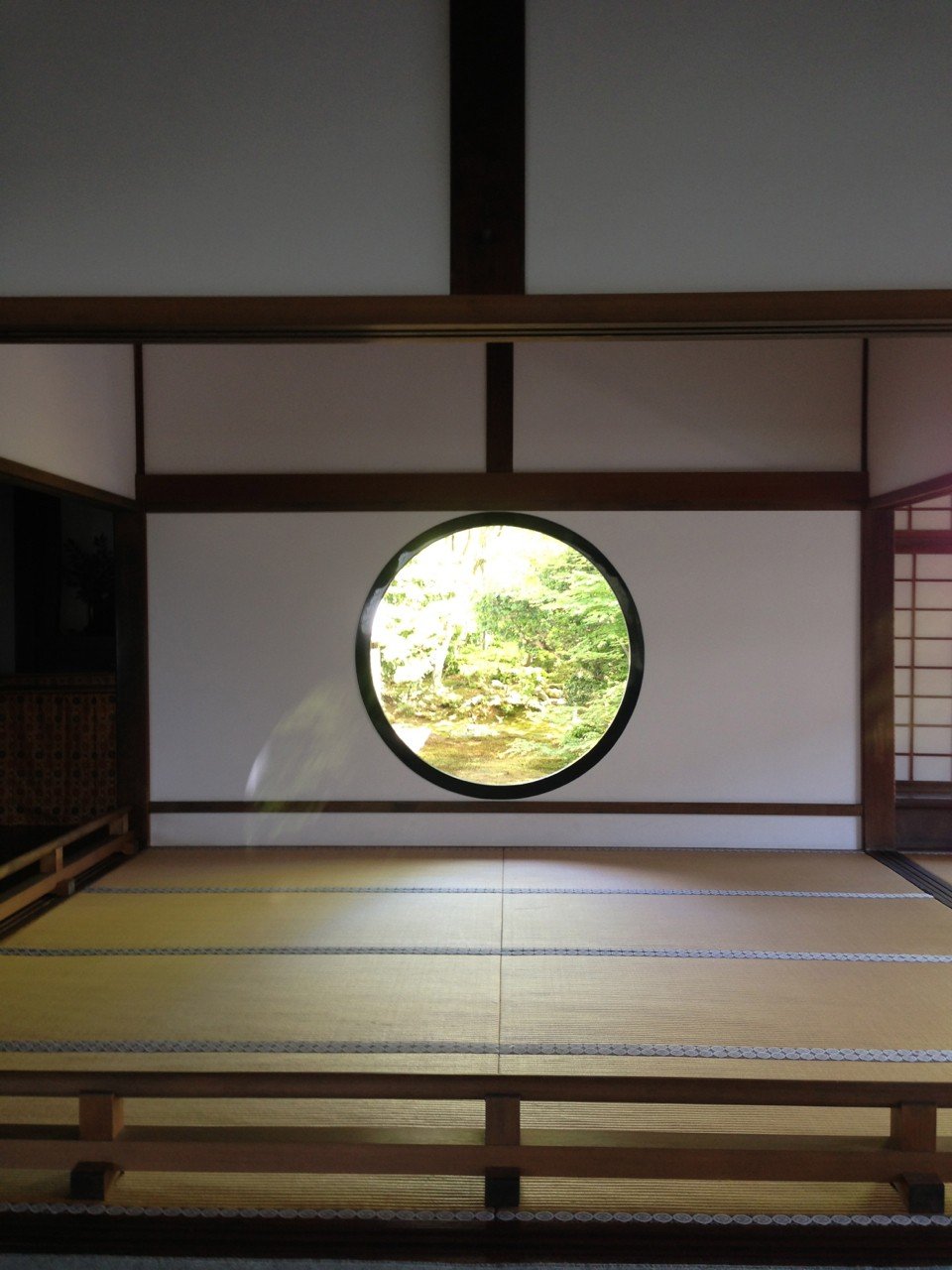
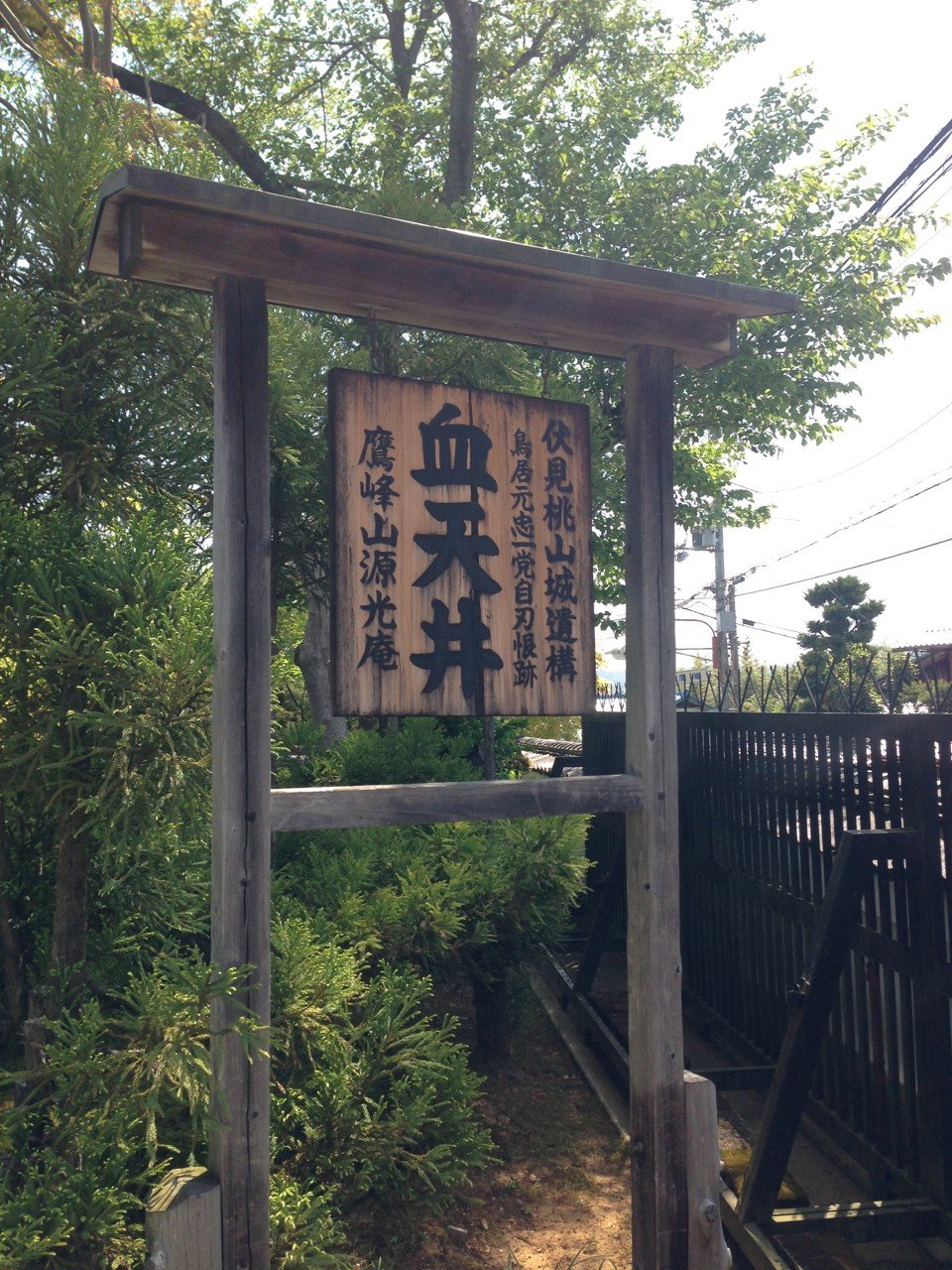


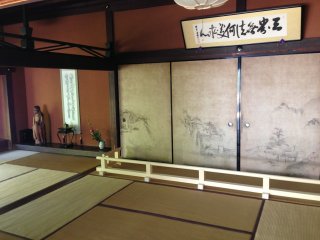
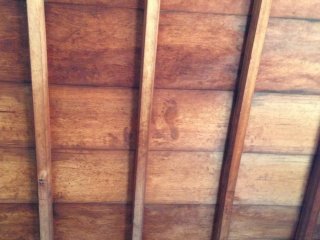
One of the famous features of Genko-an is its two windows, the "Window of Enlightenment" and the "Window of Confusion." The circular and rectangular windows give different effects when you look through them. Another is the "Bloody Ceiling." One can see 400-year-old bloodstained hand and foot prints on the ceiling. It was made using wood floors from Fushimi Castle, where soldiers loyal to Tokugawa Ieyasu were defeated and killed themselves. Next time you're in Kyoto, be sure to come to Genko-an to witness these incredible historical remains!
- 1 min read
Genko-an
Temple of bloodshed, enlightenment and confusion


 sign at the entrance of Genko-an")


Join the discussion

David Minor
2 years ago
I hate to spoil the fun but...this is a myth.
These are NOT blood stains.
If they used the timber from another building, they shaved it off with a wood planes and sanded down with rocks to clean it. There is no way they used filthy wood in a visible ceiling, let alone blood.
What you are seeing here are VERY common and happens in buildings with untreated wood (like hinoki) all the time, usually the product of oils or water on the feet and hands. You can see them in a lot of buildings (temples and shrines) today.
These are NOT blood stains.
If they used the timber from another building, they shaved it off with a wood planes and sanded down with rocks to clean it. There is no way they used filthy wood in a visible ceiling, let alone blood.
What you are seeing here are VERY common and happens in buildings with untreated wood (like hinoki) all the time, usually the product of oils or water on the feet and hands. You can see them in a lot of buildings (temples and shrines) today.
David Minor
2 years ago
fake

Kim Bergström
3 years ago
I chuckled because the window of confusion also looks just like a regular window to me!
Top Articles
-
 1
1An All-Inclusive Osaka Escape With KAMENOI HOTEL TONDABAYASHI ALL-INCLUSIVE RESORT
Osaka - Sponsored -
 2
2Exploring Japan Through the Seasons: Three First-Time Classic Tours
Culture -
 3
3Explore Ishigaki From Town to Shore on a Two-Hotel Escape
Okinawa - Sponsored -
 4
4Nara Beyond the Crowds With Two Peaceful Retreats
Nara - Sponsored -
 5
5Exploring Tokyo’s Food Culture
Tokyo - Sponsored -
 6
6Shopping in Ginza: 10 Unexpected Finds at Matsuya Ginza
Tokyo - Sponsored -
 7
7Nature, Art, and Culture Along an Ancient Route
Culture - Sponsored -
 8
8Explore Hakodate’s Gourmet Food and Markets
Hokkaido - Sponsored -
 9
9Izu Kogen: Japan’s Most Dog-Friendly Destination
Shizuoka - Sponsored -
 10
10Kamenoi Hotel Aso: A Grand Nature Resort in Aso
Kumamoto - Sponsored


-
 1
1Guide to Bringing Medicines Into Japan
Planning -
 2
2Guide to Suica Cards in Japan
Transportation -
 3
3Akishinodera Temple
Nara -
 4
4Tax-free Shopping in Japan: 2026 Changes
Planning -
 5
5The Ultimate Guide to Thrifting in Tokyo
Shopping -
 6
6Punch the Monkey: Japan's Viral Baby Macaque
Chiba -
") 7
7May Grand Sumo Tournament (Tokyo)
Tokyo -
 8
8Your Name: Real-Life Locations in Tokyo
Tokyo -
") 9
9Ghibli Museum: How To Get Tickets (2026 Guide)
Culture -
 10
10Japanese Urban Legends
Culture


These are NOT blood stains.
If they used the timber from another building, they shaved it off with a wood planes and sanded down with rocks to clean it. There is no way they used filthy wood in a visible ceiling, let alone blood.
What you are seeing here are VERY common and happens in buildings with untreated wood (like hinoki) all the time, usually the product of oils or water on the feet and hands. You can see them in a lot of buildings (temples and shrines) today.