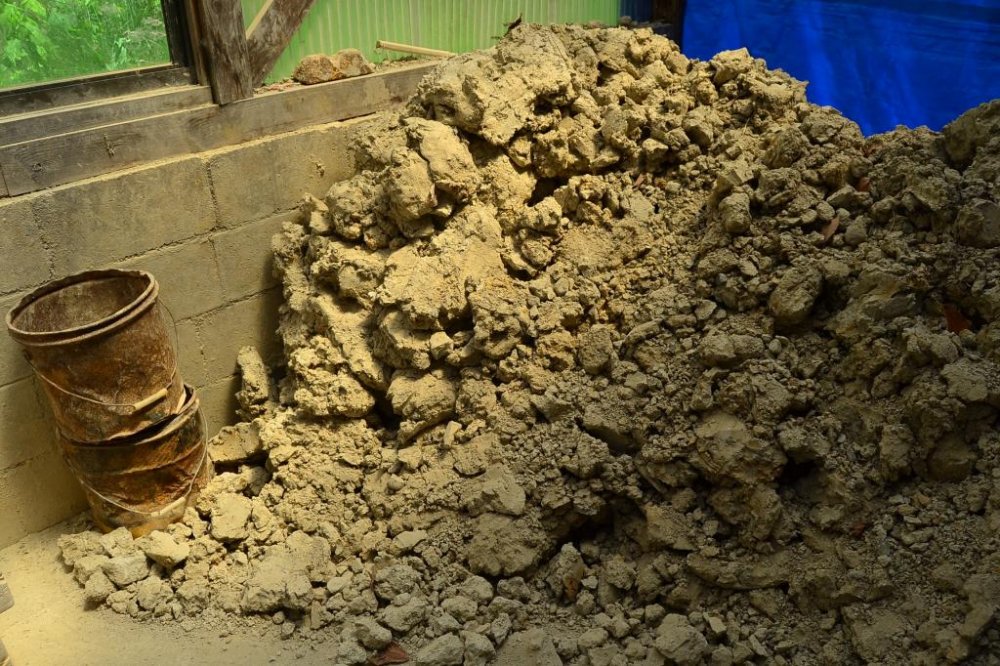
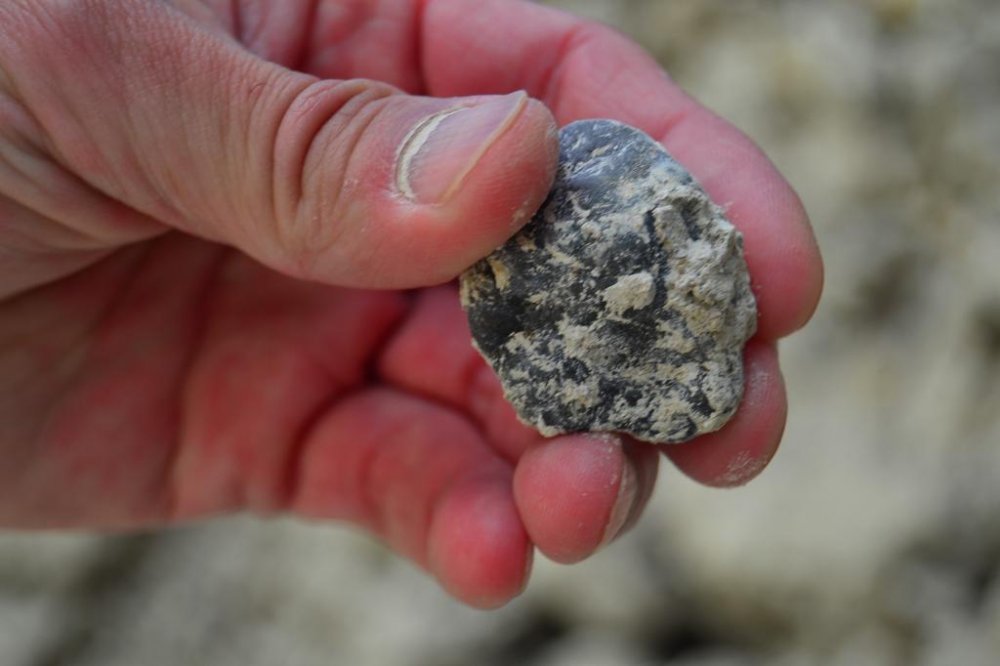


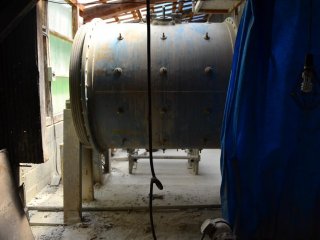
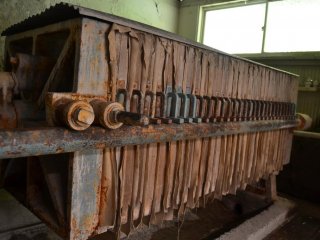
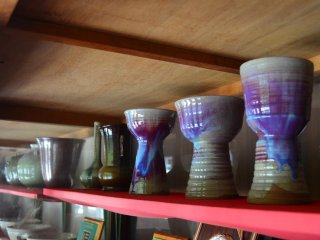
Pottery is a daily part of the lives of many Japanese people since its forms such as cups, bowls, jars and teapots are readily useable. The Kokujiyaki workshops, located in Kuji City, Iwate Prefecture, have been producing high quality pottery since the Edo period. Kokujiyaki pottery is still manufactured using a traditional method and has a characteristic appearance. Why not learn about how Kokujiyaki is made, take your pick from the many beautiful items on display in the on-site shop, or even try your hand on the potter's wheel?
- 1 min read
Kokujiyaki
Generous helpings of Kuji clay for pottery enthusiasts




Explore nearby


Leave a comment
Top Articles
-
 1
1Ozu Castle Town: A Sustainable Destination in Japan
Ehime - Sponsored -
 2
2Kamenoi Hotel Aso: A Grand Nature Resort in Aso
Kumamoto - Sponsored -
 3
3Ultimate Fukuoka Food Guide: Hakata Ramen, Yatai Culture & Beyond
Fukuoka - Sponsored -
 4
4A Vegan Visit to Fukuoka
Fukuoka - Sponsored -
 5
5Exploring Tokyo’s Food Culture
Tokyo - Sponsored -
 6
6An All-Inclusive Osaka Escape With KAMENOI HOTEL TONDABAYASHI ALL-INCLUSIVE RESORT
Osaka - Sponsored -
 7
7Explore Ishigaki From Town to Shore on a Two-Hotel Escape
Okinawa - Sponsored -
 8
8Nature, Art, and Culture Along an Ancient Route
Culture - Sponsored -
 9
9Shopping in Ginza: 10 Unexpected Finds at Matsuya Ginza
Tokyo - Sponsored -
 10
10Exploring Japan Through the Seasons: Three First-Time Classic Tours
Culture


-
 1
1Guide to Bringing Medicines Into Japan
Planning -
 2
2Guide to Suica Cards in Japan
Transportation -
 3
3Akishinodera Temple
Nara -
 4
4Tax-free Shopping in Japan: 2026 Changes
Planning -
 5
5The Ultimate Guide to Thrifting in Tokyo
Shopping -
 6
6Punch the Monkey: Japan's Viral Baby Macaque
Chiba -
") 7
7May Grand Sumo Tournament (Tokyo)
Tokyo -
 8
8Your Name: Real-Life Locations in Tokyo
Tokyo -
") 9
9Ghibli Museum: How To Get Tickets (2026 Guide)
Culture -
 10
10Japanese Urban Legends
Culture


